
HDR Project
Circular Practices in Action: A Practice-Based View of Collaboration in Singapore’s Seafood Ecosystem
Explore how collaborative practices support the implementation of circular economy practices within Singapore’s seafood ecosystem.
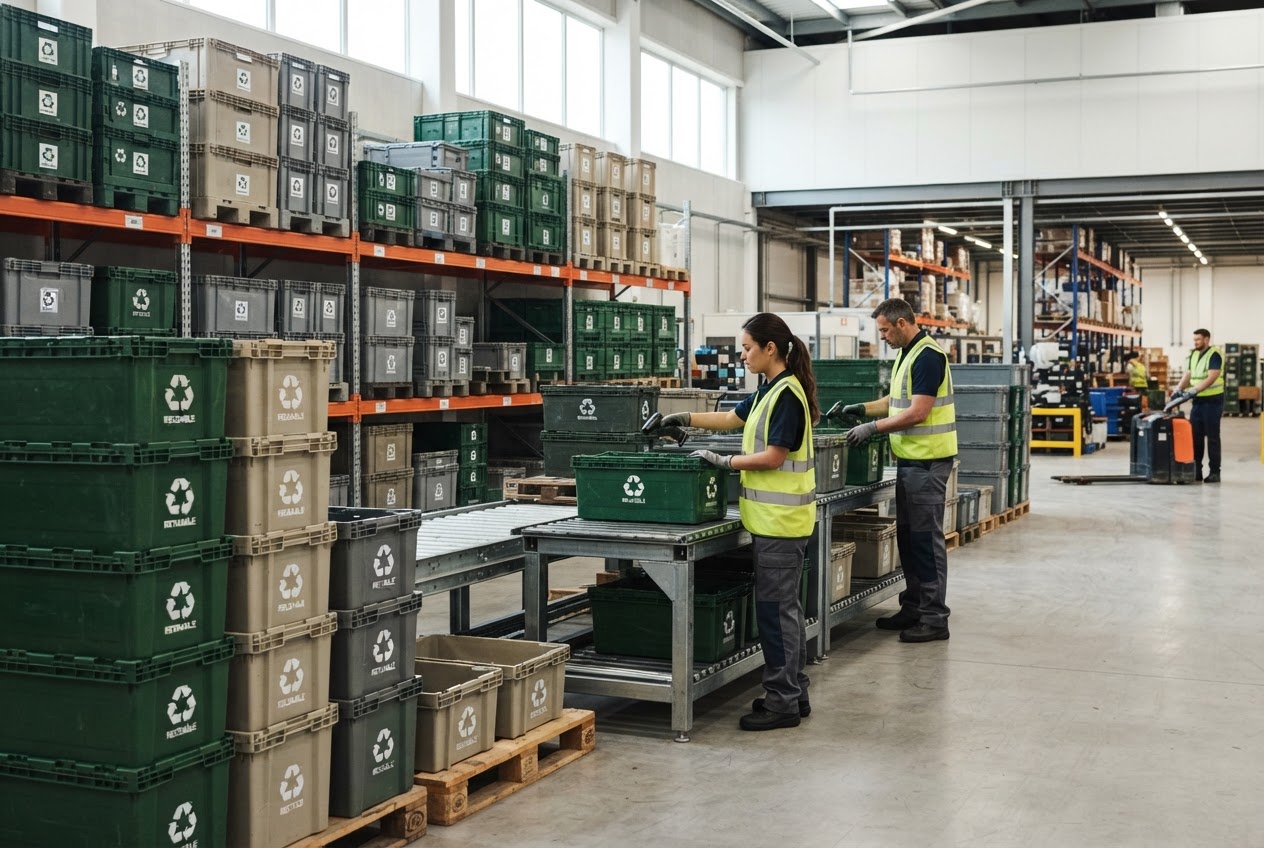
1Research story
Research context & significance
Circular economy implementation in seafood spans multiple organisations. Circular solutions may be technically feasible yet remain difficult to enact because actors face food-safety, regulatory, commercial and operational constraints.
Explain how circularity is enacted across organisational boundaries and extend the Practice-Based View (PBV) to an ecosystem setting, with practical implications for coordination and implementation.
Research questions & objectives
- Explore how collaborative practices support the implementation of circular economy practices within Singapore’s seafood ecosystem.
Research approach
A · Input / Context
Singapore seafood ecosystem: regulators/certification bodies, aquaculture, import/trade/distribution, logistics, food service, and technology/resource recovery.
B · Method / Process
Interpretivist qualitative single embedded case study using semi-structured interviews and documentary evidence.
C · Evaluation / Validation
Thematic analysis informed primarily by PBV; cross-actor comparison of practices, contextual conditions and tensions. Paradox concepts are used only where supported by the data.
Expected outcome
An empirically grounded explanation of how collaborative circular practices are enacted, enabled, constrained and adapted across the seafood ecosystem.
2Progress & key evidence
Progress since last update
- Primary data collection completed: 40 semi-structured interviews across six ecosystem actor groups.
- Dataset and documentary evidence assembled for systematic coding, triangulation and cross-actor analysis.
- Research framing consolidated around PBV; project now transitions from fieldwork to analysis and theorisation.
Tangible outputs & evidence
- Completed empirical dataset: 40 interviews across 6 actor groups
Key result
Completed interview evidence base — 40 interviews across six ecosystem actor groups
- Regulators / certification / supporting bodies — 6
- Aquaculture & primary production — 5
- Importers / traders / distributors — 10
- Logistics & cold chain — 3
- Hospitality & food service — 9
- Technology & resource recovery — 7
One-sentence takeaway40 interviews • 6 actor groups • data collection complete. The project now moves to systematic cross-actor analysis and theoretical development.
3Next steps, risks & support
Next steps
- 1
Complete transcript familiarisation and systematic first-cycle coding across the full dataset.
Q4 2026
- 2
Conduct cross-actor thematic analysis of collaborative practices, contextual conditions and tensions.
H1 2027
- 3
Develop higher-order themes, PBV-informed explanation and analysis materials.
H1 2027
Success by next forum: Thematic structure + PBV-informed explanation advanced
Risks & blockers
- Analytical complexity across 40 interviews and six heterogeneous actor groups.
- Risk of remaining descriptive rather than developing a clear explanatory and theoretical account.
- Mitigation: systematic coding, cross-actor comparison, transparent analytic memoing, and regular supervisor review of emerging themes.
Support needed
- Analysis & Theoretical Development: Feedback on coding, higher-order themes and how the findings can extend PBV across organisational boundaries.
- Academic Conference Funding: Guidance on Campus, School, Faculty or competitive funding pathways for presenting accepted research at relevant conferences (AAOM Special Conference @ Colombo, Sri Lanka, June 19-23, 2027 Co-chaired by Curtin University, Perth, Australia & Colombo, Sri Lanka)
Support Outcome (Proposed)
- Strengthen analysis through scholarly feedback
- Present emerging findings at relevant conferences
- Build dissemination and publication opportunities
Final take-awayWith fieldwork complete, the priority is rigorous cross-actor analysis, theoretical integration and preparation for the next milestone in July 2027.
Research team

Kee Hong Huat (Bruce Kee)
HDR Candidate

A/Prof Richard Oloruntoba
Principal Supervisor
Related projects
All projects→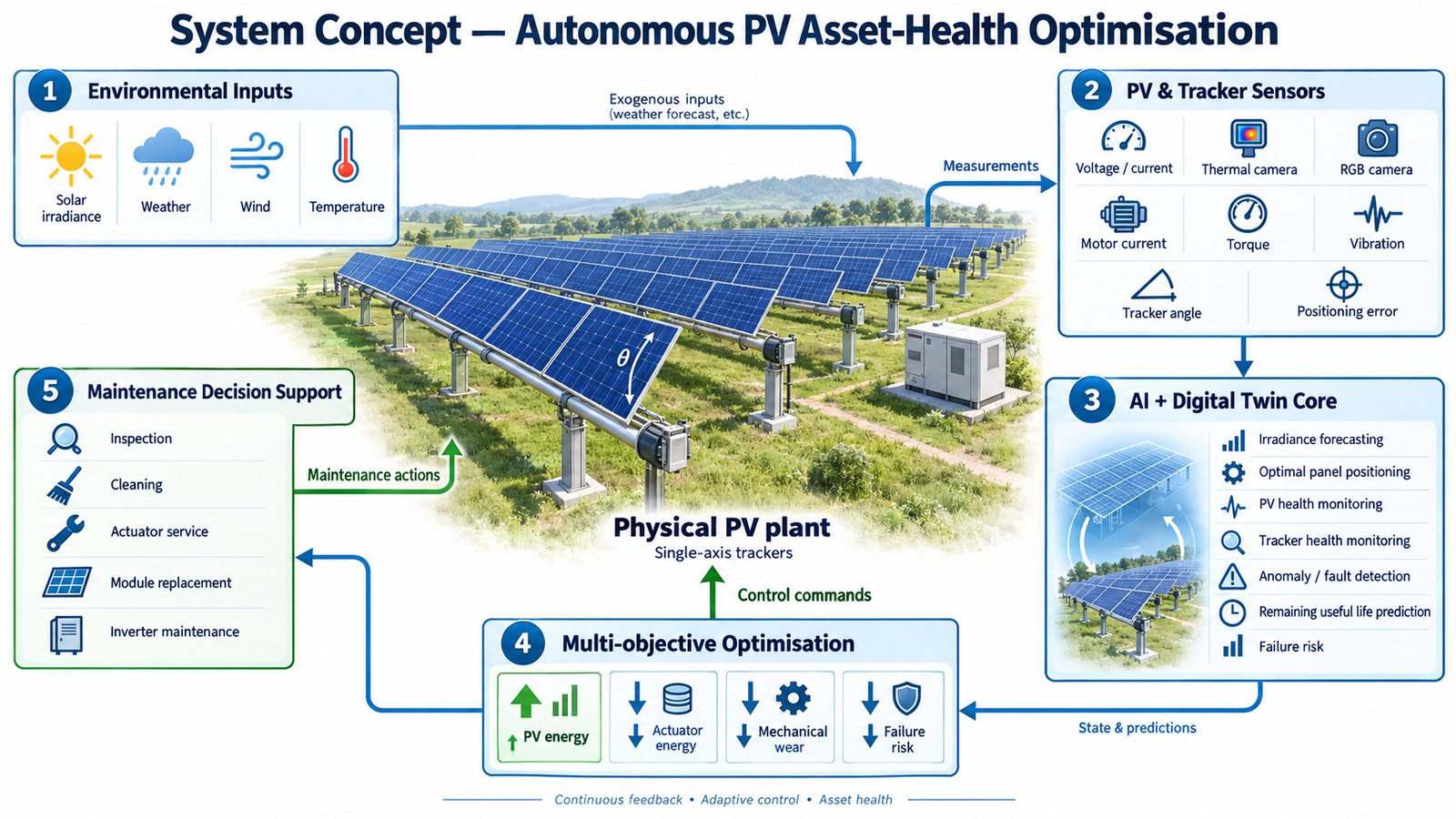 Active
Sustainability & Energy
Autonomous PV Asset-Health and Energy-Yield Optimization System
Build an autonomous controller that jointly optimizes panel position, PV health, tracker health, weather risk and maintenance priority to improve net energy and reliability.
 Active
Sustainability & Energy
Responsibility for Climate-Related Disclosure (CRD) in Singapore: Is the Legal Framework Effective to Achieve Singapore’s Carbon Emission Target?
How does Singapore’s CRD compare with the European Union’s and Australia’s CRDs?